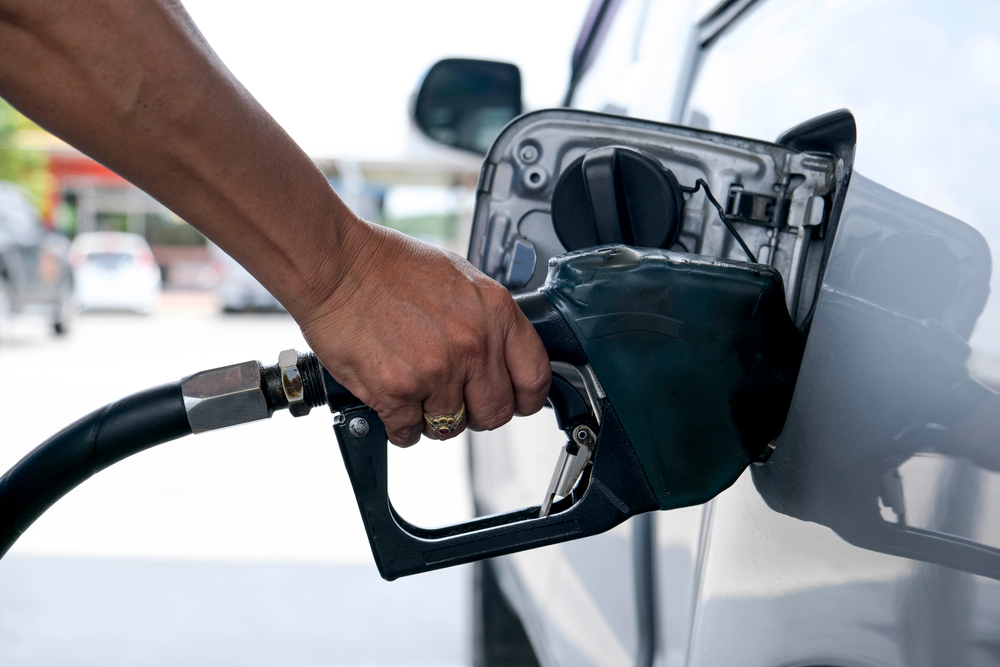
When service stations in Algeria stopped providing leaded petrol in July, the use of leaded petrol ended globally. This development follows an almost two decades-long campaign by the UNEP-led global Partnership for Clean Fuels and Vehicles (PCFV).
Since 1922, the use of tetraethyllead as a petrol additive to improve engine performance has been a catastrophe for the environment and public health.
By the 1970s, almost all petrol produced around the world contained lead. When the UN Environment Programme (UNEP) began its campaign to eliminate lead in petrol in 2002, it was one of the most serious environmental threats to human health.
2021 has marked the end of leaded petrol worldwide, after it has contaminated air, dust, soil, drinking water and food crops for the better part of a century.
Leaded petrol causes heart disease, stroke and cancer. It also affects the development of the human brain, especially harming children, with studies suggesting it reduced 5-10 IQ points.
Banning the use of leaded petrol has been estimated to prevent more than 1.2 million premature deaths per year, increase IQ points among children, save approximately AUD 3.3 trillion for the global economy and decrease crime rates.
Executive Director of UNEP, Inger Andersen, said the successful enforcement of the ban on leaded petrol is a huge milestone for global health and the environment.
“Overcoming a century of deaths and illnesses that affected hundreds of millions and degraded the environment worldwide, we are invigorated to change humanity’s trajectory for the better through an accelerated transition to clean vehicles and electric mobility,” she said.
By the 1980s, most high-income countries had prohibited the use of leaded petrol, yet as late as 2002, almost all low- and middle-income countries, including some Organisation for Economic Co-operation and Development (OECD) members, were still using leaded petrol.
The PCFV is a public-private partnership that brought all stakeholders to the table, providing technical assistance, raising awareness, overcoming local challenges and resistance from local oil dealers and producers of lead, as well as investing in refinery upgrades.
Dr Kwaku Afriyie, Minister of Environment Science, Technology and Innovation in Ghana, said: “When the UN began working with governments and businesses to phase out lead from petrol, sub-Saharan African nations enthusiastically embraced this opportunity. Ghana was one of five West African countries to join early sub-regional workshops and declarations.”
“Following PCFV’s media campaigns, reports, studies, exposing illegalities, and public testing done to expose high levels of lead in the population’s blood, Ghana became ever more determined to free its fuel from lead,” the Minister shared.
Ms Anderson added: “That a UN-backed alliance of governments, businesses and civil society was able to successfully rid the world of this toxic fuel is testament to the power of multilateralism to move the world towards sustainability and a cleaner, greener future.”
“We urge these same stakeholders to take inspiration from this enormous achievement to ensure that now that we have cleaner fuels, we also adopt cleaner vehicles standards globally – the combination of cleaner fuels and vehicles can reduce emissions by more than 80 per cent.”
The UNEP notes that while the largest source of lead pollution has now been eliminated, urgent action is still needed to stop lead pollution from other sources such as lead in paints, leaded batteries and lead in household items.
The end of leaded petrol is expected to support the realisation of multiple Sustainable Development Goals, including good health and well-being (SDG3), clean water (SDG6), clean energy (SDG7), sustainable cities (SDG11), climate action (SDG13) and life on land (SDG15). It also offers an opportunity for restoring ecosystems, especially in urban environments, which have been particularly degraded by this toxic pollutant.