
Global renewable energy capacity surged to new heights in 2025, with nearly 700 gigawatts added worldwide in a year marked by geopolitical instability and renewed concerns over energy security.
The latest Renewable Capacity Statistics 2026 report from the International Renewable Energy Agency (IRENA) shows total installed renewable capacity reached 5149 GW, a 15.5 per cent annual increase, reinforcing the sector’s resilience amid volatile fossil fuel markets.
Renewables accounted for 85.6 per cent of all new power capacity added last year, while non‑renewable sources continued their long‑term decline in global market share.
IRENA says the data underscores the value of domestic renewable energy in strengthening national resilience.
“In the midst of uncertain time, renewable energy remains consistent and steadfast in its expansion,” said IRENA Director‑General Francesco La Camera.
“This not only indicates market preference but also makes a strong case for renewable energy resilience with brutal clarity.
“A more decentralised energy system, with a growing share of renewables and more market players, is structurally more resilient.
“Countries that invested in the energy transition are weathering this crisis with less economic damage, as they boost energy security, resilience and competitiveness.”
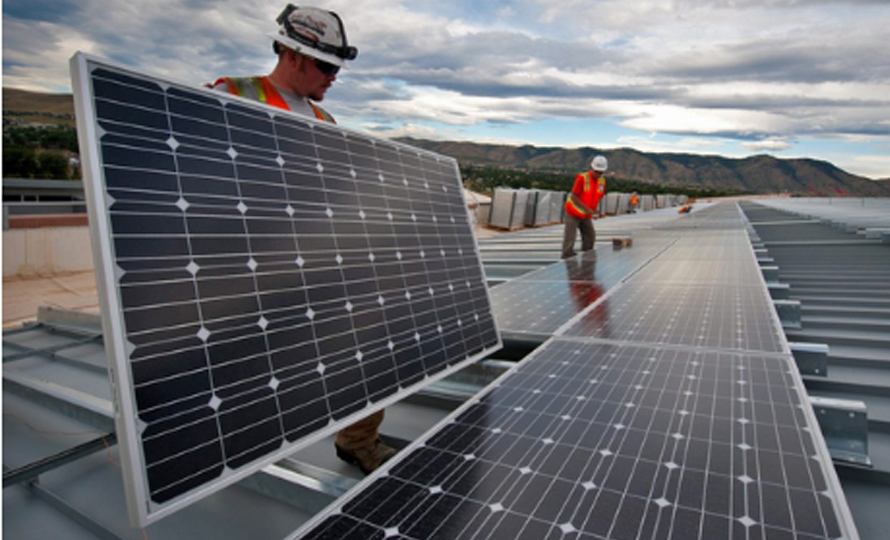
Solar power dominated global growth, adding 511 GW, which accounted for three‑quarters of all new renewable capacity, followed by 159 GW of wind energy.
Together, solar and wind accounted for 96.8 per cent of net renewable additions, reflecting their steep cost declines and rapid deployment potential.
Bioenergy grew by 3.4 GW, geothermal by 0.3 GW, and off‑grid systems expanded by 1.7 GW, largely driven by solar.
Asia accounted for 74 per cent of all new renewable capacity, adding 513 GW. Africa recorded its strongest year on record with 11.3 GW added, led by Ethiopia, South Africa and Egypt. The Middle East also saw its largest annual increase, at 28.9 per cent, driven primarily by Saudi Arabia’s accelerating build‑out.