







A graphene-based compound has been developed to make solar energy cleaner and more reliable here and around the world.
The PowerCap Hybrid Graphene battery is a sustainable energy storage system that lasts two to three times longer than standard lithium batteries.
It also provides up to ten times more power density – this means the energy is delivered instantly, important when powering mobile devices like electric vehicles.
Zero Emissions Developments (ZED) principal engineer and chief executive officer Ahmed El Safty and his team of post-doctoral researchers and engineers have been developing the technology for more than a decade.
Currently most solar batteries are constructed from lithium, a mined resource.
Graphene is a light-weight compound that is about to be manufactured in Australia from waste products (such as recycled plastics and bio-waste) by ZED.
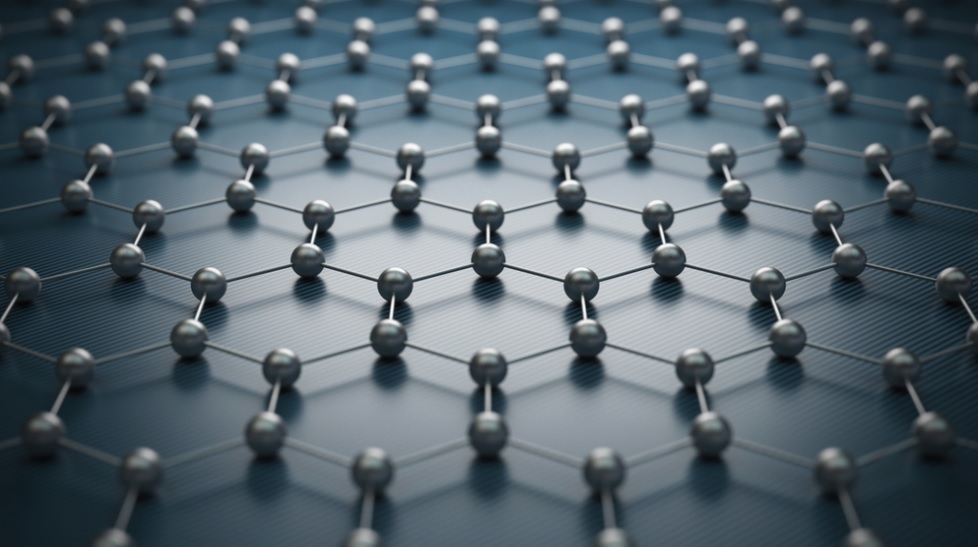
Discovered in 2004, this compound is a single layer of carbon atoms, tightly bound in a hexagonal honeycomb lattice making it 200 times stronger than steel.
It conducts heat and electricity more efficiently than copper and silver and is the thinnest and strongest compound known.
Compared to lithium, hybrid graphene batteries are not only longer lasting, safer, cleaner, and more affordable, but also, importantly, are 100 per cent recyclable at the end of their lives.
The production of this clean technology proudly boasts a zero-carbon footprint.
El Safty said: “As we transition towards a distributed renewable energy economic model, the need for energy storage becomes undeniable.
“We have to maintain a reliable grid system throughout this changeover and PowerCap technology is designed for this very purpose.”
The PowerCap is an integrated energy storage system that captures solar energy (or other renewable energy) throughout the day for later use.
It works as an evergreen energy bank, automatically adjusting to grid behaviour that can provide uninterrupted energy usage, even during blackout periods.
Users of the system can significantly lower or even eliminate power bills and reduce their environmental impact simultaneously.
The potential applications of this technology are limitless.
In addition to transforming energy sources for homes, commercial, and industrial properties, the PowerCap technology is currently being adapted for a futuristic ‘hyper tactile’ electric vehicles, other EVs, boats, solar golf carts, frequency control ancillary services (for wind and solar farms) and even hyper-sonic anti-ballistic defence deployment.
Its hybrid of electro-static and electrochemical architecture and composition make it ideal for both mobile and portable applications.
El Safty added: “Australia is a major supplier of energy to world markets but unfortunately that is predominantly coal, oil, gas, and uranium.
“Now with PowerCap technology, we have a clean, safe, and sustainable power source to offer the world.
“This technology literally uses waste to create a clean energy storage device without harming the planet.”