
Australia and Palau have taken a step forward in their joint push to accelerate the Pacific’s transition to renewable energy, driving down the region’s reliance on imported diesel fuel.
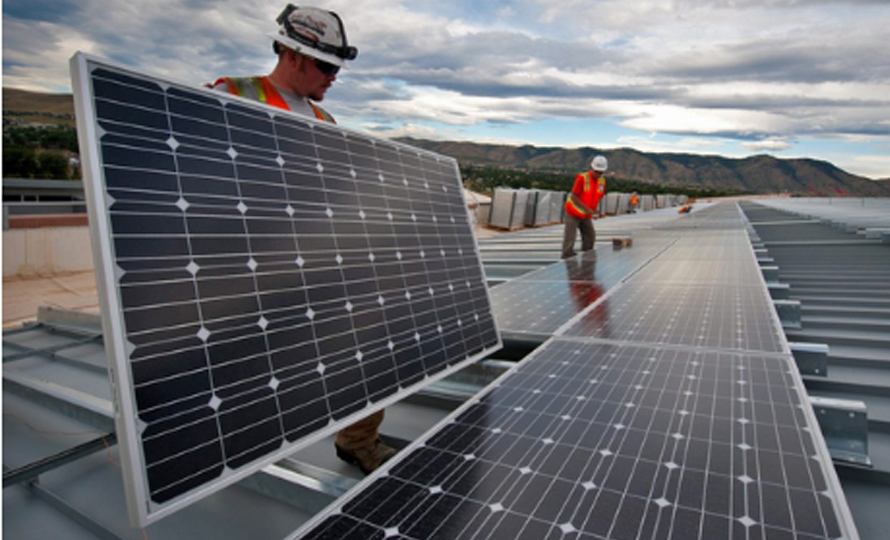
Prime Minister Anthony Albanese and Palauan President Surangel Whipps Jr inspected Palau’s first large-scale solar power plant at Ngatpang on Babeldaob Island.
Originally funded through a AU$31.4 million package from the Australian Infrastructure Financing Facility for the Pacific (AIFFP), the solar asset is receiving an additional AU$16.4 million AIFFP investment to upgrade the local electricity grid.
The expansion delivers new battery storage capacity, effectively doubling the site’s energy storage footprint. Once fully operational, the project will lift renewables to 25 per cent of Palau’s total power generation while offsetting over one million litres of diesel consumption every year.
The site visit followed the Pacific Islands Forum (PIF) Leaders’ Meeting, where the Australian prime minister pledged AU$1.89 million to establish a dedicated Pacific Renewable Energy Commissioner.
The new office will advocate for regional clean energy investment to support a long-term goal of 100 per cent renewable power.
Speaking at the facility, Albanese highlighted the real-world impact of regional climate partnerships.
“Today we saw firsthand how Australia and Palau’s close collaboration is delivering tangible benefits by helping provide cleaner, more reliable energy for homes, businesses and schools,” Albanese said.
“Palau has shown strong leadership on climate action and sustainable development, and Australia is proud to support those efforts.”
Climate Change Minister Chris Bowen added that the initiative would turn climate ambition into practical regional outcomes by pairing governments with private investors to drive down household power costs.
Australia also confirmed a AU$25 million, five-year funding partnership with the Secretariat of the Pacific Regional Environment Programme (SPREP) alongside dedicated contributions to ocean conservation, including AU$1.7 million for the Office of the Pacific Ocean Commissioner.
The regional commitments come ahead of joint Pacific climate events in Fiji and Tuvalu leading up to COP31.