Construction and architecture professionals in Australia are responsible for reducing their water footprint and pollution levels on the job. Methodologies in these industries must be updated, relying upon resource-intensive and energy-expending tactics that complete the work to the waterways’ detriment.
These fields can change their professional attitudes about water consumption to create healthier relationships between workforces and the structure they build.
How construction pollutes waterways
Building projects present numerous opportunities to pollute water. Surface-level evaluation would consider runoff or materials finding their way into nearby water bodies. A holistic picture reveals air, soil and noise pollution all impact water — making the reduction of water pollution on jobsites increasingly layered.
Materials and construction practices are the industry’s most prominent players in water pollution. Standard construction practices reveal how even the most inconsequential action trickles into a lasting adverse impact:
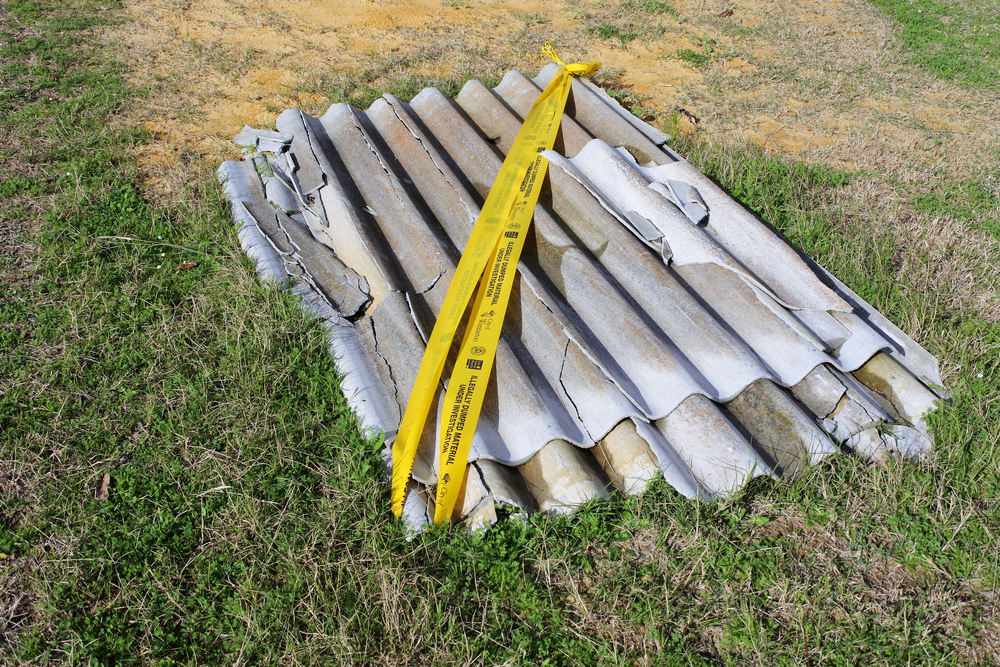
- PM10 airborne pollutants like asbestos and VOCs travel to infect nearby rivers.
- Ponds filling with polluted water can harm the soil and species.
- Adhesives like glue, liquid cement and paint run off into streams and seep into the soil, impacting habitats, native wildlife development and crop health and yields.
- Loud demolition machinery disturbs aquatic wildlife, preventing rest and increasing the risk of predation from hearing loss.
- Workforces drinking polluted water onsite could experience health issues.
After considering materials and tool usage, construction projects could illuminate to workers how previous initiatives have already polluted the site or will pollute nearby residences as the project unfolds.
Whether the project was in a rural or urban area, located near water or not, digging up soil layers may reveal pollutants that have influenced nearby waterways since the project’s inception. Residual pollution from an active job site could pollute nearby buildings and their water supplies if workforces don’t employ adequate safety measures.
What mentality will alleviate environmental stress
Professional mindset adjustments must occur before tangible actions to clean up the architecture and construction industries. Water is technically a renewable resource, but it’s distinctive from others in its group, making it less renewable than others. Water scarcity is a global problem, and what little freshwater humans have access to — which is less than 3 per cent of the world’s water supply — must go through treatment.
The more pollutants professionals dump into the waters, the more challenging the process for the treatment field. Additionally, some freshwater is sinking back into the Earth, becoming inaccessible to humans without invasive and destructive methods. These realities must change how humans view water despite its renewability through the water cycle — this is acknowledging the construction industry’s water footprint.
What the changes will look like
Leveraging data and environmental awareness, companies can analyse their water footprint from their daily operations and create action plans, usually in the form of environmental, social and governance frameworks, to accelerate focus toward sustainable development.
Australian construction and architecture companies could include some or all of these influential practices to begin sustainable change:
- Minimising common construction errors that cause runoff, such as inadequate sanitary installs prone to leaking.
- Reducing dependence on hydrodemolition practices that increase the chances of concrete entering waterways.
- Eliminate clear-cutting and use ethical forestry to cut water pollution from logging.
- Installing silt fences or other measures to prevent stormwater runoff and erosion that would otherwise deplete oceans of oxygen until project cleanup and completion.
- Adhering to existing and future compliances for green construction.
- Capture and recycle the water construction sites use.
- Use dust control mechanisms like sprinklers.
- Clean disposal of construction debris and waste.
- Create dedicated, isolated wash pits for chemicals.
- Notify and protect susceptible contamination areas like neighbouring buildings or drains.
Regulatory and legal bodies will follow suit in pushing related laws when companies change tone about their water pollution. More intensive, accountable legislation will pass, setting standards for construction companies’ water use.
Reimagining construction with less water pollution
Reducing Australia’s water pollution on construction jobsites requires looking outside water-related influences. The multifaceted problem, which makes industry professionals analyse the air, soil and noise alongside water, provides a rare opportunity to compound greener efforts into a single intention — to make Australian waters clean and healthy.
The added objectives will inspire companies nationwide to commit to corporate social responsibility and green construction techniques for the future that will impact more than just the water.