

Subscribe to Newsletter
  • ACQUIRE

logo

  • Energy
  • Construction
  • Resources
  • Trending
  • Business Insight
  • Events
  • Magazine
  • Advertise
  • Contact
Home
  • Home
  • Energy
  • Construction
  • Resources
  • Trending
  • Business Insight
  • Events
  • Magazine
  • Advertise
  • Contact

Indoor vertical gardens: energy-hungry trend raises sustainability concerns

28 Oct, 2024
Indoor vertical gardens: energy-hungry trend raises sustainability concerns


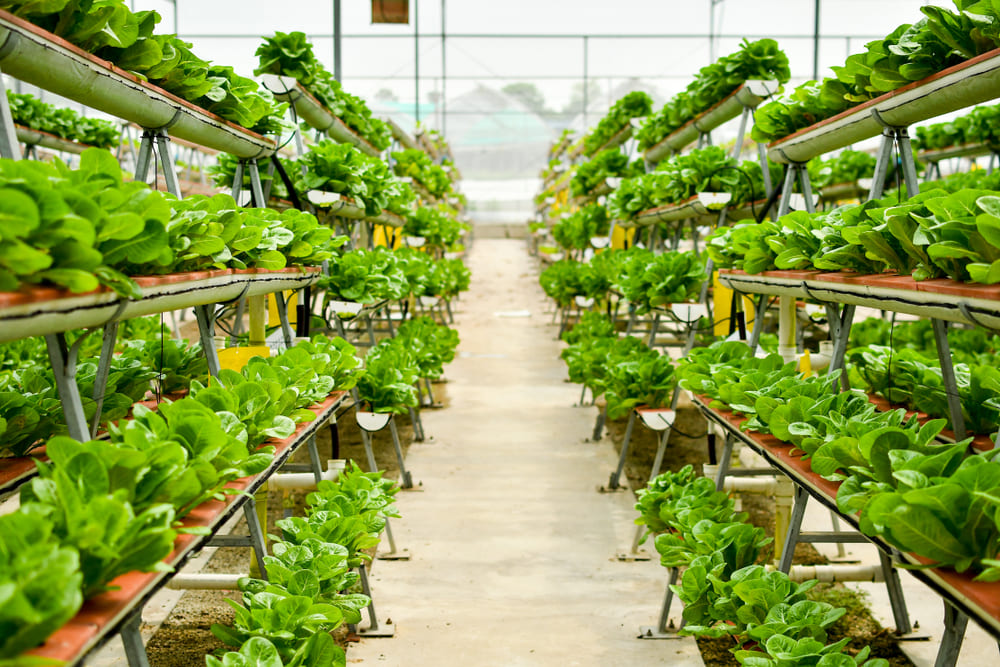
A new study has revealed that the growing trend of indoor vertical gardens, popular among homeowners and restaurants for year-round microgreen cultivation, comes with a significant environmental drawback: high energy consumption.

Researchers from Marche Polytechnic University and the University of South Australia found that while these domestic vertical garden systems offer fresh, local produce with zero food miles, they consume an alarming amount of energy.

The study, published in the 2024 IEEE International Workshop on Metrology for Living Environment, used smart meters to track the real-time electricity usage of a commercial home cultivator.

The findings show that artificial lighting, crucial for plant growth, accounts for over 50 per cent of the total energy costs when growing red lettuce.

This is five times higher than professional vertical farming setups. Additionally, ventilation and irrigation systems contribute 18 per cent and 9 per cent to the overall power costs, respectively.

Lead author Dr Gianluca Brunetti emphasised the need to manage energy consumption carefully, particularly from artificial lighting and ventilation systems, to ensure the long-term viability and sustainability of these systems.

Despite these challenges, the researchers anticipate substantial market growth for indoor vertical gardens over the next decade, aligning with the trend towards more sustainable cities.

Vertical farming is praised for its potential to conserve water, nutrients, labour, and space while enabling year-round crop production and pest protection.

However, the study highlights that manufacturers often downplay the drawbacks of high initial capital costs and energy usage while exaggerating the benefits.

To address these issues, co-author Professor Enzo Lombi suggests transitioning to LED lighting, optimising ventilation efficiency, and enhancing appliance design to significantly reduce energy consumption.

The researchers also propose implementing energy labelling for these devices, similar to other household appliances, to help consumers make informed decisions about their environmental impact.

As the popularity of indoor vertical gardens continues to rise, this study serves as a crucial reminder of the importance of balancing innovation with sustainability in urban agriculture.

Share this story

  • Share on LinkedIn
  • Share on Twitter
  • Share on Facebook

Related Articles

Hydrogen

Hydrogen Conference

Carbon Capture Techology World Expo

Carbon Capture Technology World Expo

Climate Action and Renewable Energy (CARE)

Climate Action and Renewable Energy (CARE)

ecologiQ Greener Infrastructure Conference in partnership with Waste Expo Australia

ecologiQ Greener Infrastructure Conference in partnership with Waste Expo Australia

Comments

Leave a comment Cancel reply

You must be logged in to post a comment.

Breaking

  • Energy
  • Construction
  • Resources
09 Feb

Iberdrola completes battery storage project in Sydney

09 Feb

Australia launches inquiry into solar recycling

09 Feb

Warradarge expansion powers WA’s renewable transformation

06 Feb

Energy Vault’s NSW BESS project lands long-term service agreement

06 Feb

NSW government fast-tracks two hydro energy projects

09 Feb

NSW government showcases net zero home to help lower energy bills

06 Feb

Construction industry pushes for freight and carbon efficiency

04 Feb

River Capital, CEFC invest in Tiwi Islands Plantation carbon project

30 Jan

VEU accreditation revoked for Save Energy Solutions following breach

29 Jan

Research shows support for office repurposing, but awareness gaps persist

06 Feb

Australia’s mining diesel emissions keep rising

05 Feb

Australian Renewable Energy Hub lands AU$21 million ARENA funding

05 Feb

Australian government unveils details of Net Zero Fund

30 Jan

Renewables outshine CCUS in IEA’s global outlook

29 Jan

RMIT simplifies carbon conversion for aviation

Online Magazine

    Current Cover
  • Login
  • Subscribe

Subscribe

Subscribe to Newsletter

Our Titles

  • Share on Newsletter
  • Share on LinkedIn
  • Share on Twitter
  • Share on Facebook
  • Home
  • Contact Us
  • Terms and Conditions
  • Privacy
© Sage Media Group 2026 All Rights Reserved.
×
Authorization
  • Registration
 This feature has been disabled
 This feature has been disabled until further notice, however you may still register
×
Registration
  • Autorization
Register
* All fields required