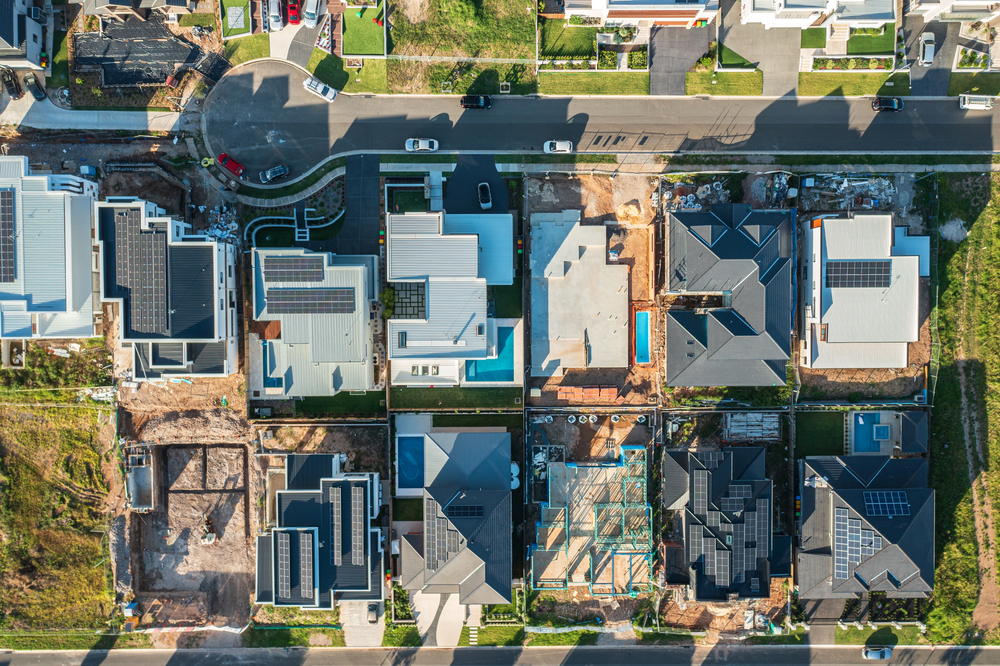
The Australian Energy Market Operator (AEMO) has been given the authority to turn off household solar systems in Western Australia to preserve grid stability.
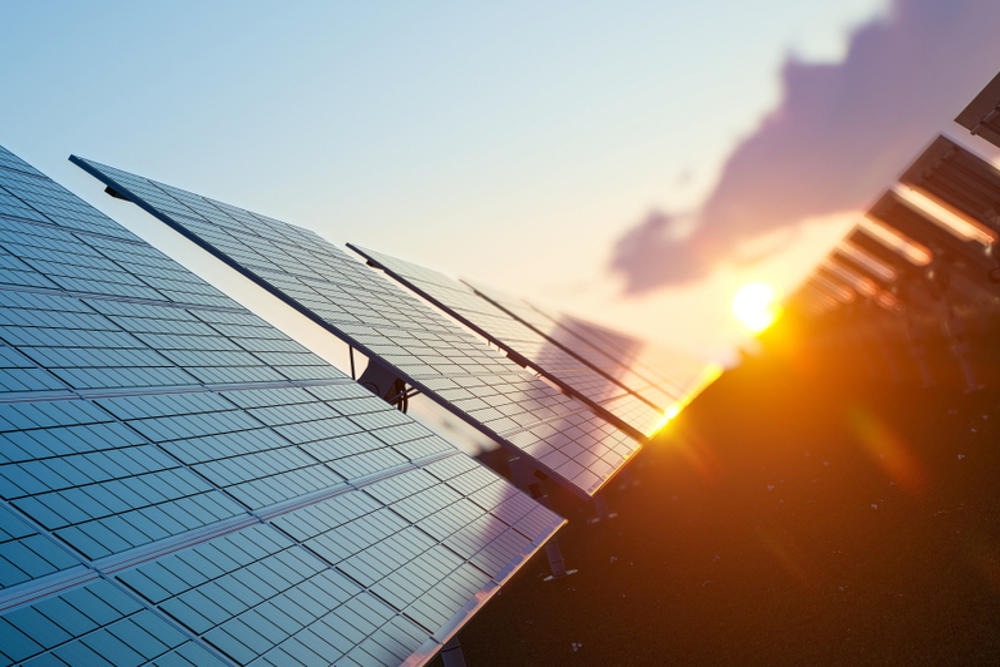
The energy generated by residential solar panels in the South West Interconnected System is more than the amount generated by WA’s largest power station which puts residential power supply at risk on mild sunny days when rooftop solar generation is high and demand from the system is low.
Therefore, from 14 February 2022 new or upgraded solar panels will be installed with the capability to be remotely turned off, for short periods, when demand for electricity reaches a critically low level.
Remotely switching off solar panels will be used as a last resort to prevent widespread power interruptions and is expected to occur a few times a year for a few hours. Power stations will be turned down first with rooftop residential solar the last to be impacted.
Energy Minister Bill Johnston said the new measure will continue supporting the uptake of residential solar while ensuring electricity is secure and affordable.
“More than 400,000 WA homes and businesses, around 30 per cent, now have rooftop solar connected to WA’s main grid with that figure continuing to rapidly grow.
“The Energy Transformation Strategy is planning for a long-term future where rooftop solar, batteries and electric vehicles are at the centre of the WA power system.”
Professor Ariel Liebman, Director, Monash Energy Institute, Faculty of Information Technology said giving the Australian Energy Market Operator (AEMO) power to turn off household solar systems is a totally reasonable ‘emergency backstop’ response to an unprecedented situation. No other continental grid has ever had this kind of per-capita of rooftop solar capacity.
“There is currently no way of diverting or storing the excess renewable energy at scale to deal with the potential risk to grid stability. Curtailing solar and wind power is the only immediate and reliable option.
“This could have been avoided if Australian policy makers had not been missing in action on grid reform for more than 10 years as renewables started to grow strongly. We urgently need coordinated policy, and the funding of research and development. Unfortunately we can’t use international solutions on this as we are leading the charge. We therefore need homegrown innovation to address these issues.
“Coal power stations tend to be more unreliable during hot weather. Solar power from household rooftop panels helps during the hottest periods such as around midday and afternoons but in the evening when it’s still hot, the unreliability of coal stations during the heat means there can still be some risks. There is a need to replace ageing power stations with a more affordable, reliable and flexible combination of wind, solar and batteries.
“Optimal energy usage has been an ongoing matter for grids since they have been built. In hot countries during summer and cold during winter. Nothing new here. However, with the retirement of many ageing and uneconomic coal and gas fired plants the national grid is becoming finely balanced.”