
From sweltering heat waves in the Top End to biting winter chills in Tasmania, the Australian climate imposes unique pressures on modern building sites.
A structure’s internal climate depends on how effectively its energy envelope manages heat transfer. Mastering insulation science can future-proof your projects. When you maximise using advanced, sustainable materials, you can ensure long-term thermal comfort for your clients.
Analysing different kinds of insulation materials
Modern clients demand high-performance thermal envelopes that cut their reliance on mechanical heating and cooling. Most new builds across the country must achieve at least a 6-star Energy Star rating, with jurisdictions like Victoria and New South Wales pushing that benchmark to 7 stars. In-depth knowledge of insulation materials is essential to meet these ambitious targets.
Bulk insulation systems
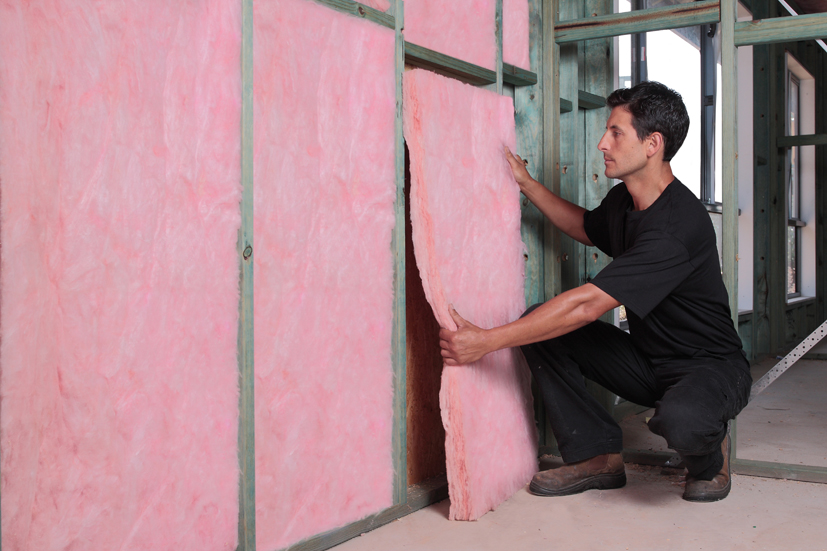
Bulk insulation systems physically trap millions of tiny air pockets within their structure to disrupt conduction and convection that could cause heat transfer. Common materials include glass wool, earthwool and natural fibre batts.
For example, when you install high R-value bulk batts in a timber-framed wall in a cool climate area like Melbourne, you create a static thermal break. This barrier prevents winter warmth from escaping through the external cladding. Regardless of the material you select, it must meet specific standards for thermal and reflective insulation. These include AS/NZS 4859 for thermal performance and AS4200.1 for pliable membranes.
Reflective insulation solutions
Radiant heat management is crucial under the harsh Australian sun. Solutions like reflective foil laminates work by bouncing the heat away from the building envelope rather than absorbing it. For example, installing reflective sarking under a metal roof in Queensland can stop the roof space from turning into an oven during hot summer afternoons.
However, reflective insulation cannot do all the heavy lifting. The trapped hot air within the roof cavity still needs an escape route to prevent thermal bridging down into the ceiling batts and living spaces. Consider active ventilation. Unlike standard passive vents, a modern solar-powered fan actively ejects hot air from the roof cavity while drawing fresh air into the space.
Spray foam and advanced options
Advanced systems like polyurethane spray foams expand on contact. They create an airtight barrier by filling every nook, cranny and thermal bridge. This level of sealing prevents draughts and uncontrolled air leakage, which are common culprits of energy loss in both new builds and complex heritage retrofits.
Stopping air leakage pays environmental dividends over a structure’s lifespan. Proper insulation can cut carbon emissions by 66 per cent to 76 per cent during warm seasons and 46 per cent to 69 per cent during cooler periods. Investing in advanced, airtight solutions slashes a building’s carbon footprint while also providing long-term value and comfort to eco-conscious building owners.
Adapting to Australia’s changing climate patterns
Your design and insulation choices must evolve to match Australia’s extreme heat and severe weather conditions.
Innovations in eco-friendly structural solutions
One way to future-proof your projects is to use insulated concrete forms (ICFs), which integrate the thermal envelope directly into the structure. This method replaces traditional timber framing with a durable, continuous thermal mass. Constructing ICFs involves stacking interlocking foam panels and filling the gaps with concrete to lock in heat during winter and seal out extreme summer temperatures.
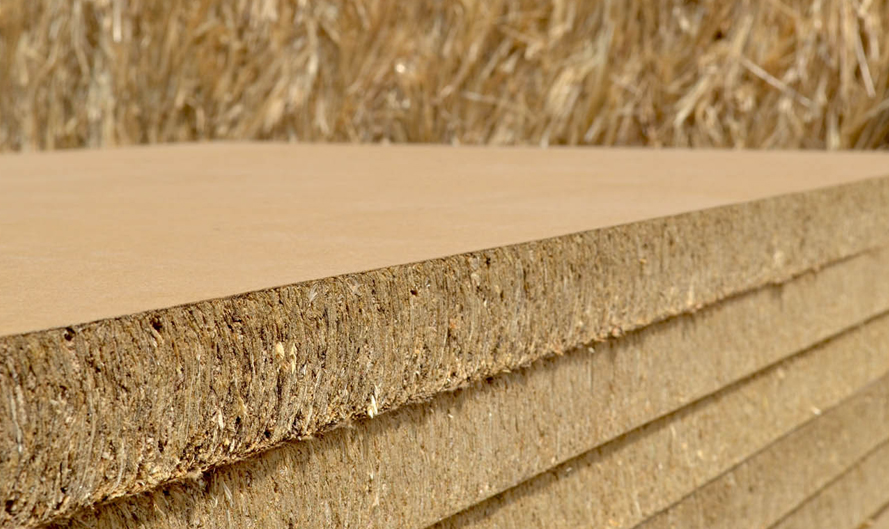
Alternatively, hempcrete blocks can offer a carbon-negative structural solution for low-rise projects. This bio-composite material helps support the wall while providing exceptional natural insulation and moisture regulation.
Enhancing building resilience against extreme weather
A holistic building envelope is a building’s primary shield against severe weather events. It keeps the internal climate stable, even when the grid goes down.
Consider how the roof bears the brunt of the Australian sun. Combining heavy ceiling insulation with high-reflectance cool roofing can reduce thermal transfer into the living spaces. This roof type is an asset for passive design, as it absorbs less heat than materials like traditional asphalt or dark metal. Pairing this cool roofing technology with your chosen bulk insulation gives your clients a genuinely resilient structure that remains comfortable during multi-day heat waves.
Creating a sustainable future through smart design
Thermal control is the backbone of sustainable architecture. Once you master it, you can build high-performing, energy-efficient structures that can weather Australia’s unpredictable climate. Embrace advanced green materials and passive design principles. Help pave the way for a greener construction industry while delivering future-proof comfort for your clients.