
Researchers have raised concerns over Australia’s readiness to manage the vast volume of electronic waste generated by the rapid transition to renewable energy, warning that the nation faces a severe shortage of infrastructure and policy support.
Researchers from RMIT University caution that without coordinated action, millions of spent EV batteries and retired solar panels will overwhelm domestic waste systems by 2035.
Dr Akvan Gajanayake, a lecturer at RMIT’s School of Property, Construction and Project Management, said lithium-ion EV batteries require specialised recycling to recover critical metals like lithium, cobalt, and nickel safely.
“Millions of EV batteries are quietly counting down to the end of their useful life, and the systems needed to manage them safely, sustainably, and at scale simply do not exist yet,” Dr Gajanayake said.
“The households, manufacturers, recyclers, policymakers, and community groups who need to solve this issue are not in the same room, and no single group has the incentive or capacity to act alone.”
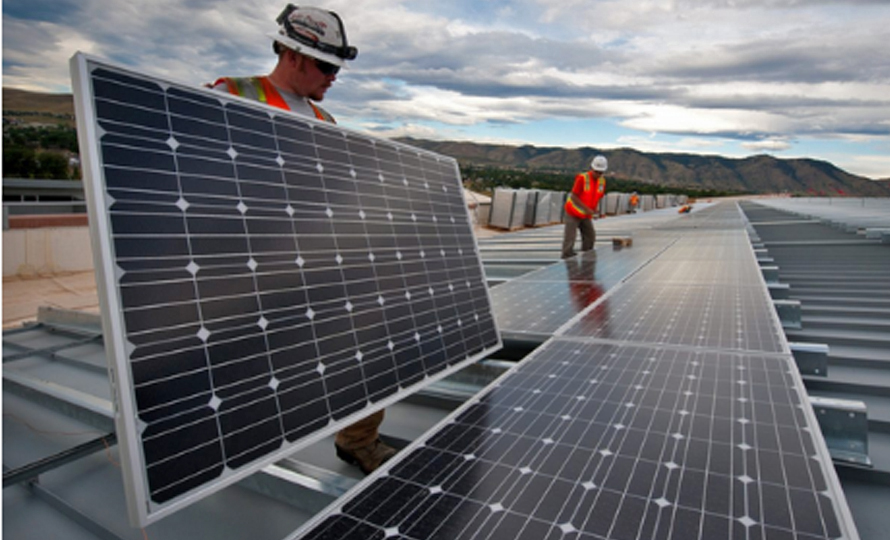
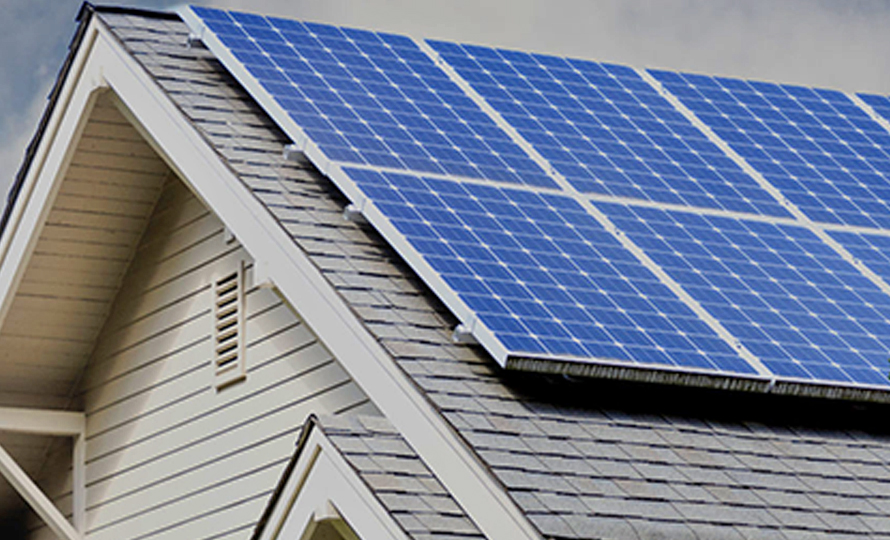
The challenge extends beyond vehicles to rooftop energy systems. Australia is projected to accumulate one million tonnes of solar panel waste, approximately 50 million panels, alongside inverters and associated hardware by 2035.
RMIT Supply Chain and Logistics Management Associate Professor Muhammad Abdulrahman urged the implementation of a national Digital Product Passport (DPP) framework to track clean energy components across their lifecycle.
“Australia needs to move beyond focusing on efficiency alone and align with international requirements for mandatory digital tracking of imports to avoid becoming a dumping ground for imported inferior products,” Associate Professor Abdulrahman said.
“A nationally coordinated approach to product transparency through DPPs will advance Australia toward a circular and regenerative economy.”